


What You Need to Know About Romance Scams
What You Need to Know About Romance Scams
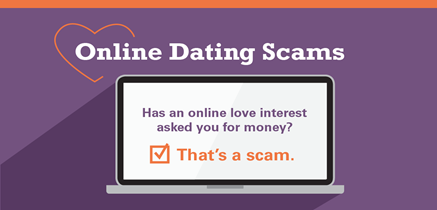
Millions of people turn to online dating apps or social networking sites to meet someone. But instead of finding romance, many find a scammer trying to trick them into sending money.
In 2019, people reported losing $201 million to romance scams. People reported losing more money to romance scams in the past two years than to any other fraud reported to the FTC.
Romance scammers create fake profiles on dating sites and apps or contact their targets through popular social media sites like Instagram, Facebook, or Google Hangouts. The scammers strike up a relationship with their targets to build their trust, sometimes talking or chatting several times a day. Then, they make up a story and ask for money.
The Lies Romance Scammers Tell
They’ll often say they’re living or traveling outside of the United States. We’ve heard about scammers who say they are:
- Working on an oil rig
- In the military
- A doctor with an international organization, etc.
We’ve heard about romance scammers asking their targets for money to:
- Pay for a plane ticket or other travel expenses
- Pay for surgery or other medical expenses
- Pay customs fees to retrieve something
- Pay off gambling debts
- Pay for a visa or other official travel documents
Scammers ask people to pay:
- Wiring money
- With reload cards like MoneyPak or gift cards from vendors like Amazon, Google Play, iTunes, or Steam
Scammers ask you to pay by wiring money, with reload cards, or with gift cards because they can get cash quickly and remain anonymous. They also know the transactions are almost impossible to reverse.
One major Red Flag: scammers often tell their victims not to contact or use their bank for any transfer transactions.
-
Avoid losing money to a Scam
Here’s the bottom line: Never send money or gifts to a sweetheart you haven’t met in person.
If you suspect a romance scam:
- Stop communicating with the person IMMEDIATELY.
- Talk to someone you trust, such as a family member or a friend, or your banker.
- Pay attention if your friends or family are concerned about your new love interest.
- Do a search for the type of job plus the word "scammer" the person has to see if other people have heard similar stories. For example, you could do a search for “oil rig scammer” or “US Army scammer.” You can also browse the comments on Federal Trade Commission or other government websites about romance scams to hear other people’s stories.
- Do a reverse image search of their profile picture to see if it’s associated with another name or with details that don’t match up – those are signs of a scam.
-
Reporting a Scam
If you paid a romance scammer with a gift card, contact the company that issued the card right away. Tell them you paid a scammer with the gift card and ask if they can refund your money.
If you think it’s a scam, report it to the FTC at ftc.gov/complaint. For more assistance, call your friendly Customer Service Representative at Southwest National Bank at: 316-838-5741 or click: Contact Us; Notify the website or app where you met the scammer, too.